
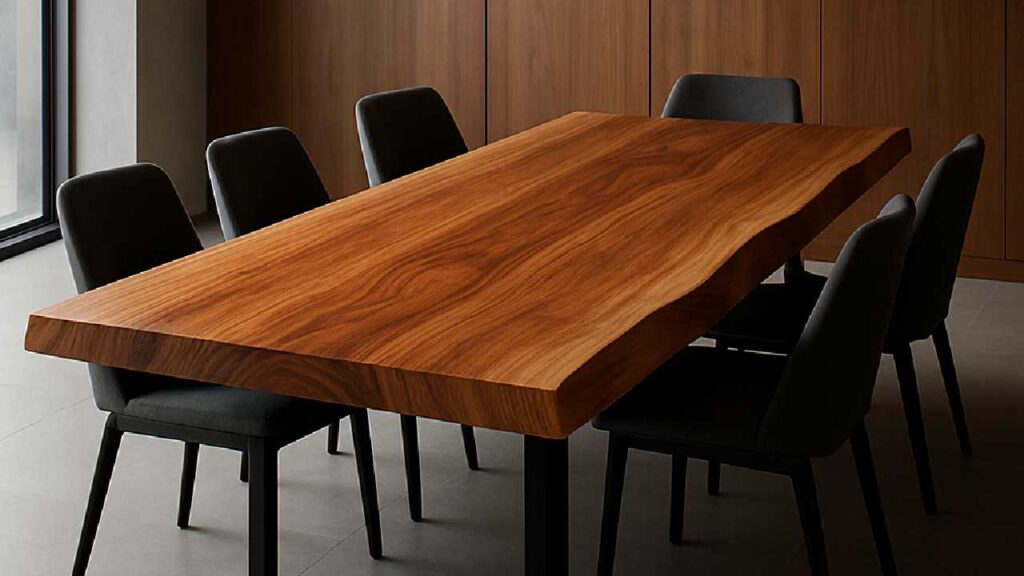
Sometimes a single piece of furniture can say more about a workplace than any slogan on the wall. In 2021, that piece was the 2021 Australian hardwood conference room table—a simple, grounded symbol of stability at a time when organisations everywhere were rebuilding momentum and redefining what their spaces should stand for.
Offices wanted warmth. They wanted materials that felt authentic. And they wanted design choices strong enough to last through change. Australian hardwood delivered all three.
What made these tables stand out wasn’t only their strength—it was what they represented: a return to natural textures, meaningful craftsmanship, and timeless aesthetics.
What Makes Australian Hardwood Distinctive?
Australian hardwood earned a reputation for delivering both durability and character. In office settings, it brought a sense of steadiness at a moment when businesses were reshaping their identity.
A Timber Story Written Over Decades
Hardwoods like Blackbutt, Jarrah, Spotted Gum, and Tasmanian Oak each carry their own colour, grain, and density. They’re sourced from forests that take decades to mature, which is why the wood feels richer, more grounded, and naturally prestigious.
A conference table made from these timbers brings a small piece of Australia’s landscape into the heart of a workplace—something that resonated deeply in 2021, when people sought texture over plastic and permanence over temporary fixes.
The Post-Pandemic Design Pivot
As companies reopened their doors, interior designers noticed a shift. Offices were no longer built around rigid corporate formality. They prioritised human comfort, warm tones, and natural materials.
Australian hardwood fit seamlessly into this shift. It offered a balance between modern minimalism and tactile beauty, making it one of the most requested materials of the year.
The Hardwoods That Shaped 2021 Tables
Australian hardwood isn’t a single species—it’s a family of timbers that each bring something different to the room. This diversity is part of what made the 2021 Australian hardwood conference room table so adaptable.
A Quick Look at Popular Species
| Hardwood Type | Janka Hardness Score | Colour Range | Durability Grade | Ideal Use Case |
|---|---|---|---|---|
| Blackbutt | ~9.1 kN | Golden, pale brown | Very Durable | Modern, minimalist rooms |
| Jarrah | ~8.5 kN | Deep red, burgundy | High Durability | Executive meeting spaces |
| Spotted Gum | ~11 kN | Varied greys and browns | Very Durable | Heavy-use boardrooms |
| Tasmanian Oak | ~5.5 kN | Soft cream to pink tones | Moderate | Creative studios |
Each species offered a way to shape the personality of the room—bold, quiet, warm, or dramatic.
Designers loved this flexibility.
The Design Trends That Defined 2021
The year wasn’t only about material. It was about form. It was about creating meeting spaces that felt less like corporate silos and more like places where ideas could breathe.
Shapes and Silhouettes That Dominated
Conference tables became slimmer, cleaner, and more intentional.
Popular choices included:
- Live-edge slabs that honoured the natural tree form
- Soft, oval silhouettes that encouraged open conversation
- Waterfall edges that created seamless, sculptural lines
- Minimalist rectangular designs that grounded the space
The finishes also took a gentler turn—matte oils, soft satins, and natural protective coatings that enhanced the grain without overwhelming it.
Technology Quietly Folded Into the Wood
The modern meeting room must serve both in-person and digital collaborations.
In 2021, conference tables began integrating features like:
- Hidden cable management
- Power modules under the surface
- USB hubs
- Wireless charging pads
These additions allowed hardwood tables to remain visually warm while still supporting hybrid work.
Why These Tables Became a Workplace Staple
The appeal wasn’t just aesthetic. The 2021 Australian hardwood conference room table solved real workplace needs.
Strength Meant Longevity
Australian hardwood is known for its density. These tables withstand constant use—meetings, laptops, projectors, elbows, coffee mugs—with little wear. Many will last 20, 30, even 40 years with proper care.
Sustainability Became a Priority
Workplaces became more environmentally aware. Australian hardwood from certified forests met rising demand for low-impact, responsibly sourced materials.
Choosing hardwood wasn’t only a style decision—it reflected a brand’s values.
Visual Warmth in a Digital Era
As screens took over more of our lives, offices leaned toward materials that counterbalanced that coldness. Wood—especially hardwood with deep, visible grain—softened the room and created a more grounded environment for discussion.
Choosing the Right Table for a Modern Meeting Space
Selecting a conference table is more than picking a size. It’s choosing the centrepiece of the room—the place where decisions are made, ideas are shared, and people gather.
Size Still Sets the Tone
Simple guidelines helped businesses find the right fit:
- 2.4m for 8 people
- 3m for 10 people
- 4m for 14 people
Allowing at least 1.2m of walking space kept the room functional and comfortable.
Finishes That Age Gracefully
Designers often recommended oil and satin finishes, not only because they looked natural, but because they aged well.
Small scratches blend into the grain. The table develops personality.
Matching Timber to Interior Style
- Blackbutt suits modern minimalist rooms
- Jarrah is perfect for premium, executive spaces
- Spotted Gum pairs well with industrial elements
- Tasmanian Oak complements soft, Scandinavian-inspired interiors
The wood becomes part of the brand’s voice.
How Much Did These Tables Cost in 2021?
Price varied widely depending on species, thickness, length, and customisation.
Typical Price Ranges (AUD)
- Tasmanian Oak: $1,800–$3,500
- Blackbutt: $2,500–$5,000
- Jarrah: $3,500–$7,000
- Live-edge custom builds: $4,000–$10,000+
The cost reflected craftsmanship more than commodity. In most cases, companies were buying a generational piece—not something they would replace often.
Where Australian Hardwood Tables Came From
Many Australian makers built reputations on careful sourcing and refined craftsmanship. Whether purchased online or commissioned through local workshops, the emphasis remained the same:
quality timber, thoughtful design, and attention to detail.
Online or Custom? The Decision Often Came Down to Two Things
- Online offered speed and affordability
- Custom offered exact dimensions, unique grain selection, and specialised craftsmanship
For many businesses redesigning their spaces in 2021, the custom route felt like the more meaningful choice.
Caring for a Hardwood Table Over Time
A hardwood conference table doesn’t demand much—just small, consistent habits.
Simple Care Practices
- Dust weekly
- Use coasters
- Wipe spills quickly
- Avoid sharp temperatures or harsh chemicals
- Re-oil when needed
With this kind of attention, the table only becomes more beautiful with age.
Why the 2021 Hardwood Table Still Matters Today
Even now, years later, the appeal of the 2021 Australian hardwood conference room table hasn’t faded. It marked a moment when companies chose authenticity over flash and meaningful design over trend-chasing.
These tables brought a sense of honesty back into the workplace. In a world shifting between remote work and boardroom meetings, hardwood furniture grounded spaces with warmth, intention, and quiet authority.
It wasn’t just a table.
It was a reset—a reminder of how natural materials can help shape better conversations, stronger teams, and more human workplaces.