
Chronic pain has a way of reshaping life in slow, subtle ways. When people search for How Long Can I Live With Pavatalgia, they’re often looking for more than medical facts. They want reassurance. They want clarity. And, most importantly, they want to understand what this pain means for their future.
“Pavatalgia” isn’t a term you’ll find in medical textbooks, yet it has surfaced online as a label for persistent pelvic or nerve-related pain. The uncertainty around the name alone can create worry. But most forms of chronic pain, including those described as pavatalgia, don’t shorten life—they simply make living feel heavier than it should.
This article breaks down what people really need to know: what pavatalgia refers to, how long it can last, how it affects your life, and what helps ease the burden.
What Pavatalgia Likely Means
This section helps clarify a term that’s unfamiliar but widely searched. Many people trying to understand How Long Can I Live With Pavatalgia are simply seeking a name for the pain they’ve been living with.
A Term People Use When Pain Lingers
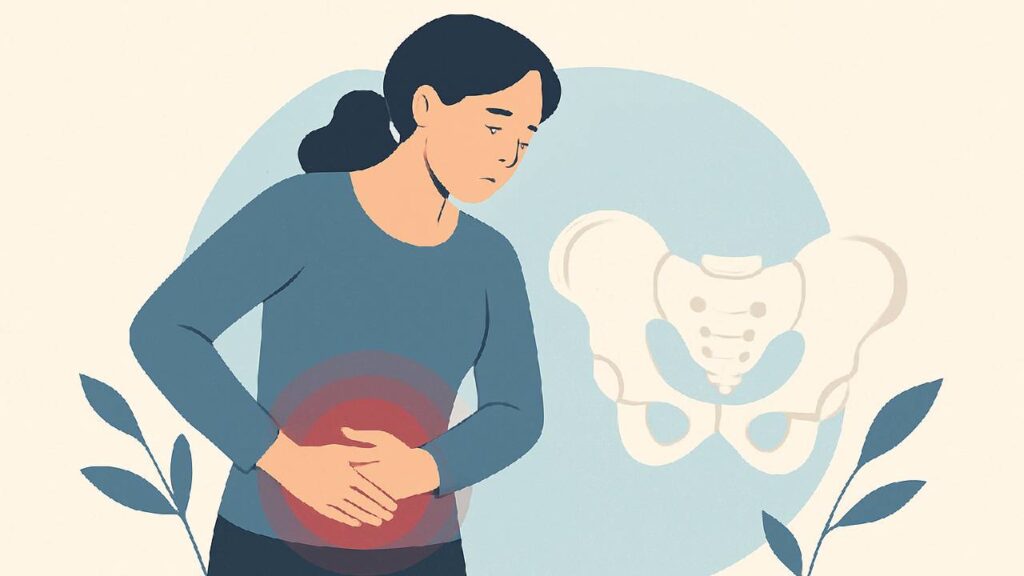
While pavatalgia isn’t a recognised diagnosis, it’s often used to describe:
- Persistent pelvic pain
- Long-term nerve discomfort
- Muscle tension or inflammation around the lower body
- Pain that radiates to the hips, legs, or lower back
In everyday language, it’s a way of saying, “Something hurts, and it keeps coming back.”
Recognisable Symptoms
People using this term often report:
- A constant dull ache
- Sharp pain triggered by movement
- Tingling or burning sensations
- Fatigue from managing discomfort daily
These symptoms overlap with conditions like pelvic floor dysfunction, sciatica, or chronic muscle strain.
Does Pavatalgia Affect Life Expectancy?
This section addresses the central fear behind the search for How Long Can I Live With Pavatalgia. Pain feels threatening, but most causes of pavatalgia are not.
Pain Alone Is Not Life-Threatening
Chronic pain can interrupt sleep, reduce movement, and affect emotional well-being, but it doesn’t shorten lifespan on its own. What matters is the root cause. Some conditions, like muscle strain or nerve compression, are uncomfortable but safe. Others, such as infection or untreated tumours, need urgent care.
Here’s a simple breakdown:
| Possible Cause | Severity | Life-Threatening? | Notes |
|---|---|---|---|
| Muscle strain | Low | No | Often improves with rest |
| Nerve compression | Moderate | Rarely | May become chronic |
| Pelvic infection | High | Yes | Needs quick treatment |
| Tumour | Very High | Yes | Early diagnosis matters |
The message: pain needs attention, not panic.
How Long Can Pavatalgia Last?
People rarely ask How Long Can I Live With Pavatalgia unless their pain feels endless. This section explains what “long-term” truly means.
The Duration Depends on the Cause
For most individuals:
- Acute pain lasts a few days or weeks
- Chronic pain can stretch into months or years
- Symptoms continue indefinitely without proper diagnosis
Factors like age, lifestyle, posture, stress, and underlying conditions can influence how long pavatalgia sticks around.
Why Some Pain Lingers
Chronic pain often becomes a cycle:
- Muscles tighten
- Nerves stay irritated
- Posture shifts
- Movement becomes limited
- Pain increases
Breaking that cycle often requires guided treatment—not endurance.
When Pavatalgia Signals Worsening Trouble
This section gives readers a practical sense of what to watch for.
Signs It’s Getting Worse
People often notice:
- Pain spreading to new areas
- Trouble walking or sitting
- Pain interrupting sleep every night
- Discomfort lasting longer than three months
When to Seek Medical Care
Some symptoms shouldn’t be ignored:
- Sudden, intense pain
- Fever
- Unusual bleeding
- Numbness or muscle weakness
- Difficulty standing or moving normally
These signs point to structural or internal issues that need evaluation.
What Helps You Live Comfortably With Pavatalgia
This section gives grounded, real-world guidance—not miracle cures, but things that work.
Medical Support That Makes a Difference
Doctors may recommend:
- Anti-inflammatory medication
- Nerve-targeted treatments
- Antibiotics for infections
- Hormonal care for pelvic conditions
- Imaging tests to confirm the cause
A diagnosis is the first step toward relief.
Non-Medical Approaches That Help Many People
These everyday methods often reduce pain:
- Physical therapy
- Gentle stretching
- Heat therapy
- Improving posture
- Low-impact exercise like walking or yoga
Routine tends to create progress.
Long-Term Management Matters
Chronic pain is as emotional as it is physical. Many people find relief through:
- Pain management clinics
- Cognitive behavioural therapy
- Stress reduction strategies
- Lifestyle changes that support the body
These tools help build a life that doesn’t revolve around pain.
So, Can You Live a Normal Life With Pavatalgia?
This section answers the emotional question at the heart of the topic.
Most people can live a full, normal lifespan—even with persistent pain—once they understand what they’re dealing with. Pavatalgia does not define a future. It shapes daily comfort, yes, but with the right care, the pain becomes manageable rather than overwhelming.
Many who seek help discover that the worst part wasn’t the condition—it was the fear of the unknown.
When It’s Time to See a Doctor
This simple guide helps readers know when medical help should be the next step.
You should consider seeking care if:
- The pain lasts longer than a few weeks
- Your daily activities are limited
- You feel numbness or weakness
- Pain keeps waking you up at night
- Basic movement has become difficult
A doctor can pinpoint the cause with tests like ultrasounds, MRIs, or nerve studies.
A Final Thought
People who search for How Long Can I Live With Pavatalgia usually want one thing: reassurance. The truth is simple. Pavatalgia—whatever form of chronic pain it represents—doesn’t shorten life. But it can shrink the joy in life if ignored. Understanding the cause, seeking help early, and taking small, steady steps toward treatment can reshape the experience entirely.
You don’t have to live smaller because of pain. You just need the right path forward.